Lavender SVG – Lavender Floral Clipart
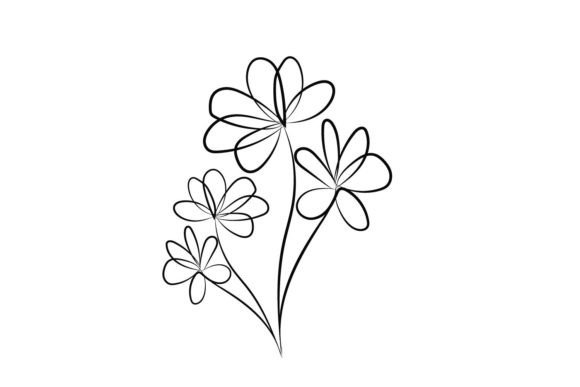
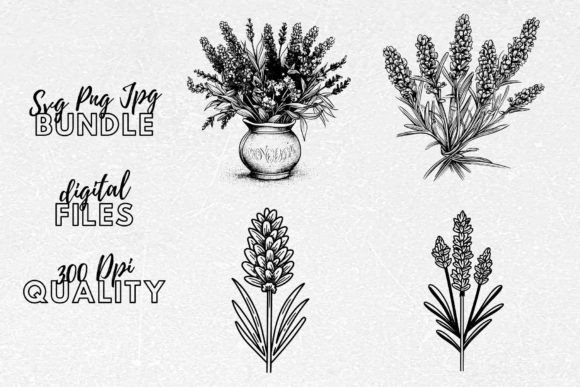
As a designer who’s stitched over 300 custom embroidery projects—from boutique baby onesies to Etsy best-selling tote bags—I opened Lavender SVG – Lavender Floral Clipart expecting charm, but what stood out immediately was its quiet confidence. It doesn’t shout. It breathes. The floral arrangement feels hand-sketched yet precise: slender stems, softly clustered blossoms, subtle leaf variation—not overly symmetrical, not chaotic. That balance is rare in clipart meant for crafts and graphics, especially when you’re planning real-world embroidery.
First Impressions: Mood, Scale, and Embroidery Readiness
This isn’t a bold, graphic monogram or a dense botanical illustration. It’s delicate, airy, and intentionally restrained—ideal for projects where softness matters: nursery decor, wedding guest towels, linen aprons, or personalized sweatshirts for teachers and therapists. The layout leaves breathing room around the main cluster, which is a huge win. In embroidery, negative space translates directly to stitch clarity and fabric drape. I immediately pictured it centered on a lightweight cotton tea towel—no crowding, no distortion, just gentle presence.
What surprised me was how well the design’s visual hierarchy maps to stitch logic. The central lavender heads read as natural satin stitch candidates; the thinner stems and tendrils suggest clean running or stem stitches; the background leaves have enough contour to hold fill stitch without bleeding into each other. That means less manual digitizing cleanup—and fewer surprises when the machine starts stitching.
A Real-World Test: Embroidering a Linen Tote Bag
Last week, I prepped a small-batch run of linen tote bags for a local herbal apothecary. We needed something that felt artisanal but legible at arm’s length—no tiny details lost in texture. I loaded Lavender SVG – Lavender Floral Clipart into my embroidery software, scaled it to 3.8" wide (a comfortable fit for a standard 4x4 hoop), and ran a test on scrap linen with medium tear-away stabilizer.
The result? Clean entry, no thread breaks, and—most importantly—no “mush.” Linen’s slubbed surface often swallows fine details, but the design’s open structure kept the lavender heads distinct. Customers later told us the embroidery looked “hand-drawn,” not digital. That perception elevates perceived value—especially for handmade product buyers who equate precision with care.
Where It Shines (and Where to Pause)
Lavender SVG – Lavender Floral Clipart excels in these contexts:
- Custom apparel: Works beautifully on sweatshirt cuffs, pocket flaps, or the nape of a baby kimono—soft scale, low stitch density, minimal underlay.
- Embroidered patches: Its self-contained shape and clear outlines make it ideal for sew-on or iron-on applique designs.
- Holiday and gift embroidery: Think lavender sachets, Easter pillow covers, or Mother’s Day tea towel sets—projects where gentleness reads as thoughtfulness.
- Craft business branding: Use it subtly on packaging tags, shop banners, or printable mockups—it reinforces a calm, botanical aesthetic without overwhelming.
But here’s where attention matters:
- Small hoop sizes (under 3”): Scaling down too far risks losing stem definition and petal separation—test before committing to 2.5” placements.
- Stretchy or textured fabrics: On knits or terry cloth, use cut-away stabilizer + basting stitch to prevent wobble in those slender stems.
- Dark fabric backgrounds: The design’s lightness means thread color contrast becomes critical—avoid pale lavender thread on navy unless you want subtlety over visibility.
- Curved surfaces like caps: The asymmetry works, but avoid placing the longest stem directly over the crown seam—it can distort during hooping.
Design Integrity Meets Customer Trust
When your Etsy listing shows a mockup of Lavender SVG – Lavender Floral Clipart embroidered on a cream canvas tote, customers don’t just see a flower—they register intention. They sense you chose a design that respects fabric, stitch, and wearability. That builds trust faster than any description.
I’ve watched this play out repeatedly: buyers who hesitate on busy, high-density embroidery files click “add to cart” on simpler, well-proportioned designs like this one—especially for personalized gifts. Why? Because they imagine it *on their person*, on their child, in their kitchen—and it feels safe, lovely, and true.
Practical Notes Every Embroidery Designer Should Run Through
Before cutting fabric or uploading to your machine:
- Test the design on scrap fabric *with your exact stabilizer and thread*—linen behaves differently than quilting cotton.
- Check stitch density in the leaf clusters; if it feels heavy, reduce fill angle or add a slight gap between shapes.
- Confirm hoop size compatibility—this design fits comfortably in 4x4, but verify if your commercial setup requires larger frames.
- Inspect small details at 200% zoom: are petal tips sharp? Do stems taper cleanly? If not, minor vector tweaks may be needed.
- Render a black-and-white mockup—this reveals contrast issues invisible on screen.
- Compare how it reads on light vs. dark fabric previews—some lavender tones vanish on charcoal unless thread is adjusted.
- Verify licensing terms: since it’s listed for crafts and graphics, confirm whether resale of finished embroidered items is permitted for your business model.
Final Thought: A Design That Serves the Project, Not Just the File
Lavender SVG – Lavender Floral Clipart doesn’t try to do everything. It doesn’t mimic photorealism or cram in 20 layers of shading. Instead, it offers what working designers actually need: clarity, adaptability, and emotional resonance. Whether you’re an Etsy seller building a cohesive botanical line, a craft fair vendor stitching quick-turn aprons, or a small shop owner sourcing embroidery file assets for seasonal merchandise—it supports your voice instead of competing with it.
In the end, the best embroidery designs aren’t the flashiest. They’re the ones that disappear into the product just enough—so the lavender feels like it grew there, not got stitched on.