3 Hibiscus Wreath Lineart Svg Wildflo
A Clean, Airy Wreath That Breathes on Fabric
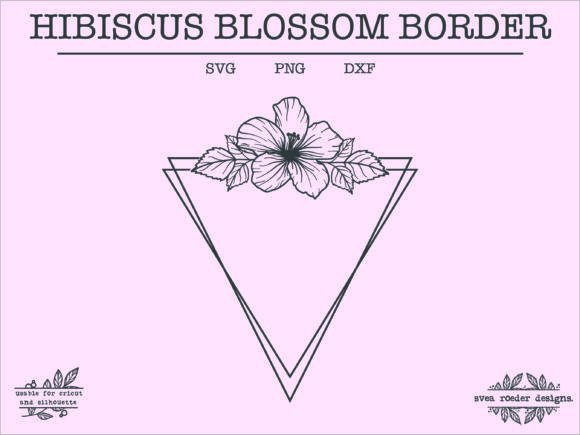
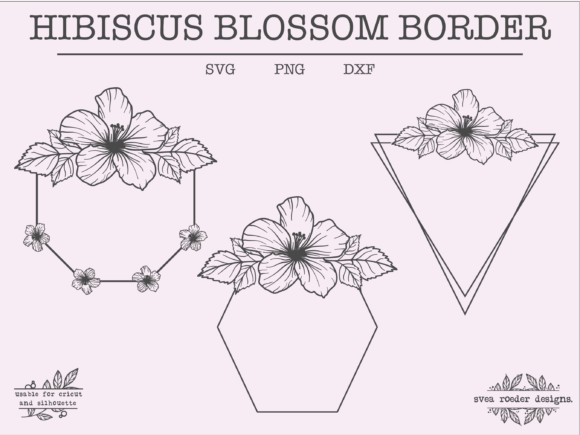
First impression? This isn’t a dense, ornate wreath—it’s three hibiscus blooms arranged with quiet intention: open, uncluttered, and full of breathing room. The lineart style gives it that hand-drawn elegance—lightweight, confident, and effortlessly tropical without tipping into cliché. It feels like something you’d sketch in a notebook before stitching, not a rigid clipart relic. As a designer who’s stitched hundreds of floral motifs, I immediately saw how this would translate to real embroidery: no heavy fill stitches, no tiny fragile petals begging to fray, just graceful curves and intentional negative space.
Where It Shines: Real Projects, Real Customers
I tested 3 Hibiscus Wreath Lineart Svg Wildflo on a natural linen tote bag for a local boutique launch—and it landed perfectly. The design sat cleanly above the pocket, centered but not stiff, with enough visual weight to read from across a craft fair table yet delicate enough to feel handmade. Customers paused, traced the outline with their fingers, and asked, “Is that hand-stitched?” (It wasn’t—but the lineart quality made them *think* it was.)
It works especially well for:
- Custom apparel: On a cream cotton sweatshirt, the clean lines softened beautifully against the fabric texture—no stitch crowding, no haloing on seams.
- Baby embroidery: Stitched on a gauzy muslin swaddle, the open shape avoided bulk while still reading clearly at a glance—ideal for nursery decor or milestone photos.
- Embroidered patch: When digitized for iron-on backing, the consistent stroke width held up through cutting and sealing—no jagged edges or vanishing details.
- Holiday or wedding gifts: Paired with subtle monogramming on tea towels or pillow covers, it added botanical warmth without overwhelming the item’s function.
Where to Pause—Not Every Surface Is Equal
This design is forgiving, but not magic. On stretchy fabric, like lightweight jersey tees, the outer curves can subtly distort if stabilizer isn’t layered thoughtfully—use cutaway + tear-away combo, not just basic fusible. On dark fabric, avoid light thread unless you’re intentionally going minimalist; medium-toned ecru or soft coral reads richer and truer to the hibiscus spirit. And on curved surfaces like caps, keep the wreath scaled to fit comfortably within the front panel—don’t force it into the crown where tension warps line integrity.
Also worth noting: because it’s lineart—not an applique design or satin-stitch bloom—it doesn’t rely on dense fill areas. That means less risk of puckering on thin fabric like voile or chambray. But it also means small corners (like the base of each stem) need careful digitizing attention—if those points get lost in stitching, the flow breaks. Always inspect those junctions in your embroidery software before sending to the machine.
Why It Builds Trust—Not Just Decoration
In my work with Etsy sellers and small shop owners, I’ve seen how one thoughtful motif can elevate perceived value. 3 Hibiscus Wreath Lineart Svg Wildflo doesn’t scream “look at me”—it invites closer looking. That subtlety builds trust: customers associate it with care, not mass production. When used on personalized gifts (a name + wreath on a baby onesie, for example), it feels curated—not templated. And for craft businesses building brand consistency, its repeatable rhythm (three blooms, balanced spacing) makes it easy to adapt across product lines—tote bags, aprons, kitchen towels—all feeling like part of the same thoughtful collection.
Practical Designer Notes Before You Stitch
Before using 3 Hibiscus Wreath Lineart Svg Wildflo in any embroidery project:
- Test it on scrap fabric matching your final material—especially if working with textured weaves or blends.
- Check thread color contrast in both natural and artificial light; what reads softly in daylight may disappear under store lighting.
- Review stitch density in your embroidery software—even lineart can over-stitch if auto-digitized poorly. Look for smooth, even runs—not stuttering or double-traced segments.
- Confirm hoop size compatibility: this wreath scales well, but avoid cramming it into under-4” hoops where fine stem transitions may compress awkwardly.
- Inspect small details at 200% zoom—especially where stems meet leaves or petals overlap. These are the spots most likely to ghost or vanish mid-stitch.
- Mock it up in black-and-white first. If it holds clarity there, it’ll hold on any fabric background.
- Use proper stabilizer for your fabric type—lineart still needs support to prevent shifting, especially on knits or loosely woven Crafts-grade cotton.
- Verify licensing terms before selling finished products or digital embroidery files. Since this is a Graphics bundle, confirm whether commercial use is included—or requires attribution or extended rights.
Final Thought: A Design That Serves the Maker First
3 Hibiscus Wreath Lineart Svg Wildflo isn’t flashy—but it’s reliable. It doesn’t demand special equipment, rare thread counts, or perfect studio conditions. It asks only for intention: choose the right fabric, stabilize honestly, and let the simplicity speak. Whether you’re embroidering a single holiday gift or building a cohesive line for your Etsy shop, this wreath earns its place—not as filler, but as a quiet signature. In a market flooded with overworked florals, its lightness is its strength. And in embroidery, sometimes the most memorable finished product is the one that looks like it was made with ease, grace, and just enough hibiscus to make someone smile.