Floral Wedding Papercut Templates
A Designer’s First Glance: Delicate, Romantic, and Ready for Stitching
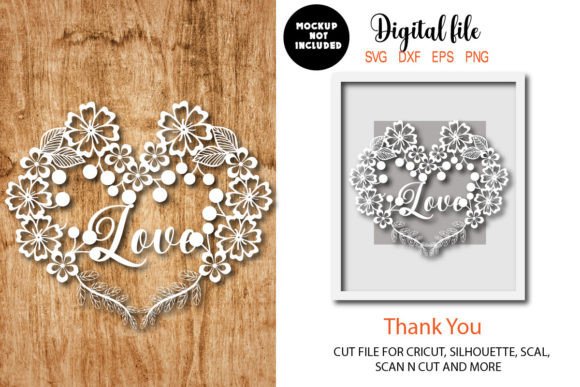
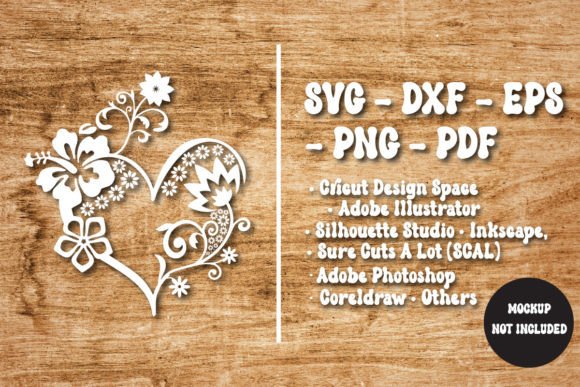
When I opened Floral Wedding Papercut Templates, the first thing that struck me wasn’t just the floral motif—it was the rhythm of the negative space. This isn’t a dense bouquet or a symmetrical wreath; it’s an airy, hand-cut-inspired arrangement with soft curves, intentional gaps, and layered petal silhouettes. It feels like something you’d find pressed between the pages of a vintage wedding album—romantic without being saccharine, detailed without becoming fussy. As a designer who regularly selects embroidery files for client work and small-batch production, I immediately pictured it stitched in soft ecru thread on a linen tote, or as a subtle chest emblem on a bridesmaid’s cotton apron.
Real-World Fit: Where This Design Truly Shines
I tested Floral Wedding Papercut Templates as the centerpiece for a custom embroidered baby blanket—lightweight cotton voile, delicate hemstitching, and a gift for a spring wedding shower. The design translated beautifully: the openwork quality held up in satin stitch outlines and gentle fill-stitch petals, and the overall scale (roughly 4.5” wide at medium zoom) gave breathing room without losing presence. It worked equally well scaled down to 3” for a tea towel monogram corner, and up to 5.75” for a pillow cover front panel.
For craft businesses and Etsy sellers, this is a versatile embroidery file that bridges personalization and boutique appeal. It reads clearly on sweatshirt embroidery (especially mid-weight French terry), holds definition on structured cotton caps when digitized with clean underlay, and adds quiet sophistication to personalized gifts—think embroidered napkins, nursery wall hangings, or bridal party robe hems. Because it leans into paper-cut aesthetics rather than photorealism, it avoids the “overloaded” look that can plague overly detailed machine embroidery designs on small hoop sizes.
Where Caution Is Needed: Fabric, Scale, and Function
That same delicacy means Floral Wedding Papercut Templates asks for thoughtful execution—not limitations, but intentionality. On highly textured fabrics like bouclé or thick terry cloth, fine interior cutouts may blur or fill in during stitching unless stitch density is carefully adjusted. On stretchy knits (think baby onesies or lightweight tees), stabilizer choice becomes non-negotiable—medium-weight cutaway works best to preserve those graceful curves.
Dark fabric? Yes—but only with high-contrast thread (ivory or pale gold over charcoal, not beige). Thin fabrics like silk charmeuse need tear-away + light iron-on backing to prevent puckering around open areas. And curved surfaces—like the front of a structured baseball cap—require careful placement: avoid positioning the most intricate petal cluster directly over the crown seam, where distortion is inevitable.
This isn’t a design built for heavy-duty wear-and-wash cycles on toddler towels or gym bags. Its charm lives in heirloom-adjacent pieces: wedding guest books with embroidered covers, boutique kitchen linens, or framed nursery art. If your craft business focuses on everyday durable goods, treat Floral Wedding Papercut Templates as a premium accent—not a workhorse.
What It Adds (and Doesn’t Add) to Your Finished Product
Used well, this design elevates perceived value instantly. Customers recognize handmade intention—the slight asymmetry, the balance of solid and void, the floral language that feels curated, not stock. It supports brand consistency for wedding-focused makers: pair it with minimalist typography for printable mockups, use it across digital embroidery file bundles for Etsy listings, or layer it subtly behind monograms on custom apparel.
It doesn’t scream “look at me.” That’s its strength. Unlike bold lettering or cartoon motifs, Floral Wedding Papercut Templates invites closer inspection. That builds trust—your buyer feels you chose something meaningful, not just available. It also photographs exceptionally well in natural light, which matters for social proof, craft fair signage, and small shop product pages.
Practical Notes Every Embroidery Designer Should Run Through
- Test on scrap fabric first—especially if using it for commercial embroidery or client work. Check how inner loops and thin stems hold up at your machine’s default tension.
- Review stitch density. Paper-cut styles often benefit from slightly reduced fill density (65–75%) in petal areas to keep texture breathable.
- Confirm hoop size compatibility. While the original SVG/DXF/PNG suggests scalability, verify your digitized version fits comfortably within your standard hoops—no last-minute resizing mid-production.
- Inspect small details at actual stitch-out size. Tiny centers or slender vines may need manual cleanup in your embroidery software before finalizing.
- Test black-and-white mockups to assess contrast and silhouette clarity—this reveals how legible it stays on varied backgrounds.
- Use proper stabilizer: cutaway for knits, tear-away for stable wovens, and fusible + tear-away combo for lightweight or sheer fabrics.
- Check licensing before selling finished items or bundling the file itself. Since Floral Wedding Papercut Templates is listed among graphics and crafts assets, confirm whether it’s licensed for commercial embroidery use, digital resale, or both.
Final Thought: A Quietly Confident Choice for Intentional Makers
Floral Wedding Papercut Templates won’t dominate a busy craft fair table—but it will catch the eye of the customer who pauses, tilts her head, and says, “That’s exactly what I’ve been looking for.” It suits designers and small shop owners who value subtlety over saturation, craftsmanship over convenience, and emotional resonance over trend-chasing. Whether you’re digitizing it for a limited-run embroidered patch collection, building a cohesive wedding-themed digital product suite, or stitching one-of-a-kind gifts for close friends, this design rewards attention to detail—and returns it tenfold in finished product grace.