Floral Wedding Paper Cut Templates
A Designer’s First Glance: Delicate, Romantic, and Ready for Stitching
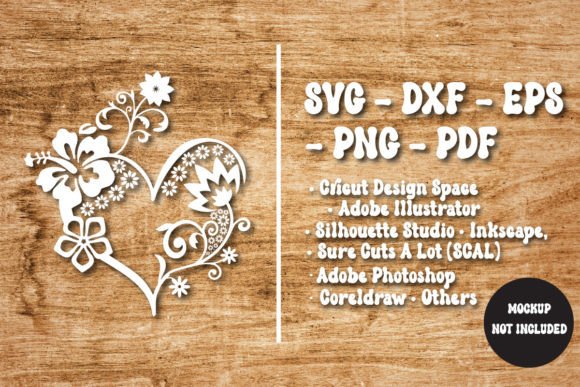
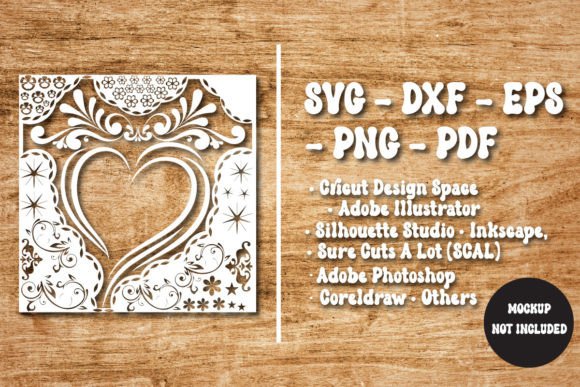
When I opened Floral Wedding Paper Cut Templates, the first thing that struck me wasn’t just the elegance—but the quiet confidence in its simplicity. This isn’t a fussy, over-layered motif. It’s clean-lined, airy, and intentionally uncluttered—like a hand-cut lace swatch translated into digital form. The floral arrangement leans soft rather than bold: gentle curves, open negative space, and subtle asymmetry that feels handmade, not algorithmic. As an embroidery designer who’s stitched hundreds of wedding-themed pieces—from bridal aprons to monogrammed tea towels—I immediately saw how this could translate beautifully to thread.
Real Project Test: Embroidering a Linen Tote for a Bridal Shower Gift
Last week, I used Floral Wedding Paper Cut Templates as the centerpiece for a custom linen tote bag—intended as a keepsake gift for a bride-to-be. I digitized it carefully (more on that below), opting for a mix of satin stitch for stems and delicate fill stitch for petals, with running stitch outlining where needed. On medium-weight natural linen, the design held its breath—literally. The openness of the paper-cut aesthetic meant the fabric showed through just enough to keep it light, breathable, and undeniably tactile. Guests at the shower paused to trace the outlines with their fingers. That’s the kind of reaction you want: quiet admiration, not visual fatigue.
Where It Shines—and Where It Needs Thoughtful Handling
Floral Wedding Paper Cut Templates works especially well for projects where subtlety and sophistication matter more than high-impact graphics. Think: embroidered baby onesies (soft florals read as tender, not cutesy), minimalist pillow covers for a nursery, or delicate patches sewn onto silk hair scrunchies. It also elevates small-batch apparel—sweatshirts with a single stem near the hem, or a tiny version above a pocket on a denim jacket.
But here’s the honest part: this design doesn’t forgive poor execution. Its charm lives in fine lines and intentional gaps. That means it’s less forgiving on stretchy fabrics like jersey knits unless stabilized heavily. On dark fabric, contrast becomes critical—you’ll need bright white or ecru thread to preserve legibility, especially in inner loops and thin connectors. And if you’re stitching on curved surfaces (like a structured cap or a rounded pillow cover), test placement early—the outermost petals can distort if hooped too tightly or digitized without curve compensation.
Practical Notes Every Embroidery Designer Should Check
- Test on scrap fabric first—especially if using textured weaves (burlap, heavy canvas) or loosely woven linens. What reads as “airiness” on screen can vanish under dense fill stitch.
- Review stitch density. Too much fill in tight petal areas can flatten the paper-cut illusion. Aim for 30–40% density in open sections; reserve heavier fills only for key structural elements.
- Confirm hoop size compatibility. While the original file is a Graphics asset—not a pre-digitized machine embroidery design—you’ll need to scale thoughtfully. A 4" x 4" hoop is ideal for most versions; avoid shrinking below 3" unless simplifying details.
- Inspect small details before finalizing. Tiny cutouts (like interior heart or swan motifs mentioned in the description) may require manual cleanup in your embroidery software to prevent thread nests or skipped stitches.
- Use proper stabilizer: medium tear-away for stable wovens, cut-away for knits or lightweight cottons. Skip fusible web unless you’re doing applique—this design earns its value when stitched *into*, not layered *on top*.
- Check licensing. Since Floral Wedding Paper Cut Templates is categorized under Crafts and sold as Graphics (SVG, DXF, PDF, PNG), confirm whether commercial use is permitted—especially if you plan to sell finished embroidered items on Etsy or at craft fairs.
How It Shapes Perception—Before and After Stitching
This isn’t just about aesthetics—it’s about trust. When a customer sees a crisp, balanced floral motif on a handmade tote or baby blanket, they subconsciously register care, intention, and craftsmanship. Floral Wedding Paper Cut Templates supports that impression because it avoids visual noise. No competing fonts, no clashing elements—just one cohesive gesture. That clarity makes it easy to pair with other design assets (a simple monogram, a short date in clean sans-serif), which matters for boutique branding or consistent Etsy listings.
It also raises perceived value without raising production complexity. Unlike dense, multi-color designs that demand precise color changes and frequent thread breaks, this template invites thoughtful, restrained execution—ideal for small shop owners balancing quality with throughput.
Final Thought: Not Just for Weddings
Don’t box this into “wedding-only.” Yes, it fits bridal showers, vow books, and cake toppers—but its versatility lies in mood, not occasion. Use it for spring baby announcements (swap pink thread for sage), botanical-themed kitchen towels (pair with herb silhouettes), or even holiday gifts styled with gold thread and velvet ribbon. As a digital embroidery file foundation, Floral Wedding Paper Cut Templates rewards editing: extend a vine, isolate a single bloom, mirror the layout for symmetry, or layer it beneath sheer organza for dimensional wall art.
If you're an Etsy seller building a cohesive collection—or a craft business owner refreshing seasonal offerings—this is the kind of Graphics asset that quietly strengthens your brand voice. It doesn’t shout. It invites closer looking. And in embroidery, where every stitch carries weight, that’s often exactly what makes a finished product unforgettable.