Tulip Garden SVG Cut File
A Delicate Floral Template—But Is It Embroidery-Ready?
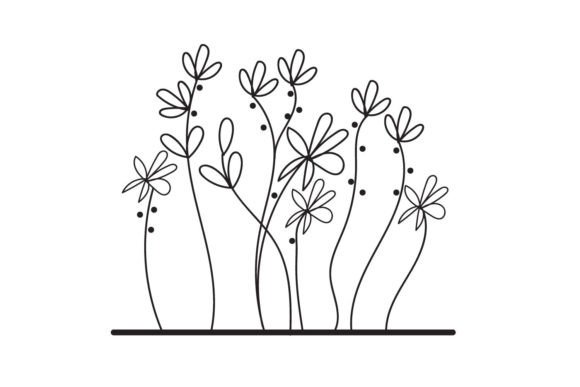
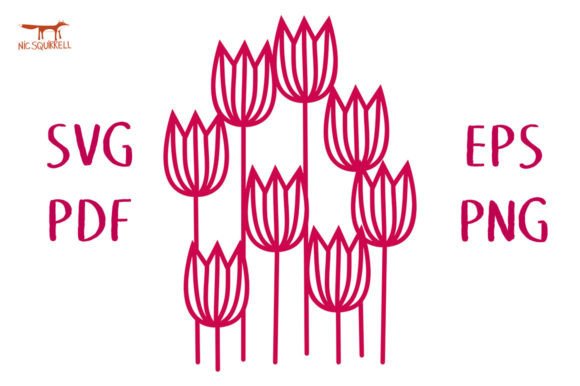
As someone who’s stitched hundreds of floral motifs—from tight satin-stitched roses on baby onesies to bold tulip appliqués on denim totes—I opened Tulip Garden SVG Cut File expecting charm, not complexity. What I found was a clean, airy papercut-style silhouette: layered tulip stems, open blooms, and subtle leafy flourishes—all flowing in one graceful horizontal sweep. It feels springlike, gentle, and quietly elegant—not fussy, not retro, not overly stylized. That mood matters. If you’re designing for nursery decor, boutique tea towels, or personalized gifts for garden-loving clients, this design lands softly but memorably.
Real-World Test: A Linen Tote Bag for a Local Florist
Last week, I prepped a custom order: a set of embroidered linen tote bags for a small-town florist launching her spring collection. She wanted something botanical but refined—no cartoonish petals or heavy outlines. I imported Tulip Garden SVG Cut File into my digitizing software and converted it to an embroidery file. Right away, I noticed how the negative space between stems invites breathability—a huge plus on medium-weight woven fabric like linen. The design’s natural width (roughly 5–6 inches at full scale) fits comfortably in a 5x7 hoop without compression, and its tallest bloom clears 3.5 inches—plenty of room for clean satin stitch definition without crowding.
On the finished tote? It read beautifully: crisp edges, balanced density, and a handmade quality that customers paused to admire. Not “machine-perfect” sterile—but intentional, warm, and tactile. That’s the sweet spot for craft businesses and Etsy sellers: designs that elevate the product without overshadowing the material or the maker’s voice.
Where It Shines—and Where It Needs Thought
Tulip Garden SVG Cut File works especially well for:
- Custom apparel on stable fabrics—think sweatshirt cuffs, back-of-cap placements (if resized thoughtfully), or chest pockets on structured cotton tees;
- Embroidered patches when digitized with smooth satin borders and minimal underlay—its continuous flow translates cleanly to sew-on or iron-on backing;
- Baby embroidery on onesies or burp cloths, where softness and simplicity build trust with new parents;
- Holiday and wedding gifts, especially for spring showers or garden-themed celebrations—its timelessness avoids trend fatigue;
- Small shop product lines, like matching pillow covers + kitchen towels, where consistent visual rhythm strengthens brand recognition.
But—and this is critical—it’s not plug-and-play for every surface. Because it’s built as a papercut SVG, not a native embroidery file, it assumes you’ll digitize it yourself or work with a digitizer. That means:
- On stretchy fabric (like knits or lightweight jersey), the fine stem lines may distort without proper stabilizer—test with tear-away + light cutaway;
- On dark fabric, avoid ultra-thin thread weights; go for 40-weight rayon or polyester to ensure the delicate outlines stay visible;
- For curved surfaces (caps, curved apron pockets), reduce overall height by 15–20% and simplify inner petal details—those tiny intersections can stitch sluggishly or snag;
- On textured fabrics (burlap, heavy terry, or nubby linen), skip dense fill stitches entirely—opt for running-stitch outlines or openwork interpretations instead.
Design Integrity Meets Commercial Practicality
What makes Tulip Garden SVG Cut File valuable for creative entrepreneurs isn’t just prettiness—it’s adaptability. As a Graphics asset, it’s neutral enough to pair with monograms, minimalist typography, or seasonal accents without visual competition. For an Etsy seller bundling digital embroidery files, it layers cleanly with coordinating leaves or bees. For a craft fair vendor, it gives instant cohesion across tote bags, tea towels, and baby blankets—reinforcing your shop’s aesthetic without repeating the same motif.
More importantly, it supports professionalism. When customers see even, consistent stitch spacing and thoughtful thread color transitions (try sage green + cream or dusty rose + charcoal), they don’t just see decoration—they see care. That perception lifts perceived value, builds repeat business, and makes your handmade product feel intentional, not incidental.
Your Designer Checklist Before Stitching
Before committing to a client project or production run with Tulip Garden SVG Cut File, do these six things:
- Test on scrap fabric—same fiber content and weight as your final piece;
- Review stitch density in your digitized version—avoid >12,000 stitches for small items unless you’re using commercial-grade machines;
- Confirm hoop size compatibility—don’t force it into a 4x4 if stems extend beyond safe margins;
- Inspect small corners and inner petal curves—they’re lovely in SVG, but may need slight simplification for reliable satin stitch;
- Mock it up in black and white first—this reveals contrast issues before thread is loaded;
- Verify licensing—since it’s sold as a Crafts digital file, confirm whether your intended use (e.g., selling finished embroidered patches or reselling digitized versions) falls within permitted terms.
And always—always—check file formats before purchase. This is an SVG cut file, not a ready-to-embroider .pes or .dst. You’ll need compatible software or a digitizing partner to bring it to life in thread. That’s not a limitation—it’s flexibility. But it does mean your skill, judgment, and attention to detail are part of the design’s final expression.
In short: Tulip Garden SVG Cut File isn’t flashy. It won’t dominate a tradeshow booth or trend on TikTok overnight. But in the hands of a thoughtful designer or small business owner, it becomes quiet confidence—on a linen tote, a baby cap, a holiday gift tag, or a boutique apron. It’s the kind of design that doesn’t shout, but stays remembered. And in handmade commerce, that’s often worth more than volume.