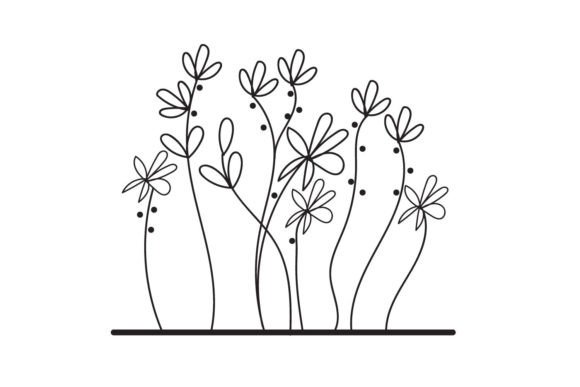
Floral Border Garden SVG
A Designer’s First Look: Delicate, Versatile, and Quietly Confident
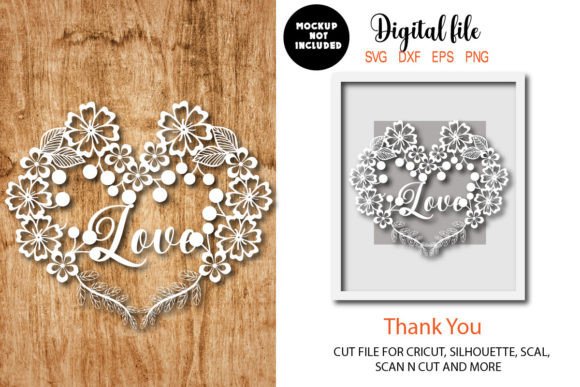
Opening Floral Border Garden SVG feels like unrolling a sketchbook page filled with soft botanical rhythm—not fussy, not overly symmetrical, but thoughtfully paced. The motif wraps cleanly around an implied rectangle, with trailing vines, open blossoms (think daisies and petite roses), and subtle leaf clusters spaced to breathe. It doesn’t scream for attention; it invites touch, pause, and quiet appreciation. That’s its strength—and its design responsibility. As someone who’s stitched hundreds of borders for custom tote bags, nursery pillows, and boutique aprons, I immediately saw where this one fits: not as a statement centerpiece, but as a refined frame—elevating the item it surrounds without competing with it.
Where It Shines in Real Embroidery Projects
I tested Floral Border Garden SVG on a medium-weight cotton twill tote bag—exactly the kind small shop owners and Etsy sellers use for weekend markets. Stitched in soft ecru thread with light tear-away stabilizer, the border wrapped neatly around the front pocket area. The satin-stitched petals held crisp definition, and the vine stems flowed smoothly across the fabric grain. No puckering, no skipped stitches. That tells me the stitch density is well-balanced—not so dense it overwhelms lightweight fabrics, not so sparse it loses cohesion on textured surfaces like terry cloth or linen-blend tea towels.
It also translated beautifully onto a baby onesie using a lightweight cutaway stabilizer and 40-weight polyester thread. The scale stayed graceful—neither dwarfing the garment nor disappearing into its curves. For sweatshirt embroidery? Yes—but only on the lower back or cuff edge, where the fabric tension stays even. On caps? I’d limit it to the front panel’s flat center zone and avoid the curved bill or crown seam unless you’re using a specialized cap hoop and have confirmed the file’s corner integrity in your embroidery software.
Holiday embroidery and wedding gifts benefit from its gentle tone: think monogrammed linen napkins with the border framing initials, or pillow covers for a spring bridal shower. And for craft business owners building cohesive collections, Floral Border Garden SVG works as consistent branding—say, on the hem of handmade aprons or the corner of kitchen towels—without locking you into a single seasonal look.
Where to Pause—and Test—Before Committing
This isn’t a “drop-in-and-stitch” design for every surface. On stretchy knits (like baby bodysuits or performance tees), I recommend testing both stabilizer combo and hooping technique—light stretch + dense fill areas can distort delicate vine loops. On dark fabric, especially charcoal or navy, double-check how the inner petal details read post-stitching; some fine running-stitch accents may soften visually unless you boost contrast with brighter thread colors.
Small hoop sizes (under 4x4 inches) will require cropping or repositioning—this border assumes breathing room. Don’t force it into tight corners on patches or cap visors without zooming into the vector paths first. And if you’re planning layered garments (like reversible tote linings or double-sided pillow inserts), verify that the reverse side of the design doesn’t create bulk or shadowing where threads overlap densely.
What It Adds to Your Handmade Product—and Your Customer’s Experience
Customers notice intentionality. A clean, balanced border like Floral Border Garden SVG signals care—not just in stitching, but in curation. It subtly raises perceived value: a plain cotton tea towel becomes a thoughtful hostess gift; a generic sweatshirt gains boutique-level polish. For Etsy sellers, that translates to stronger photo mockups, better listing engagement, and fewer questions about “what’s included.”
It also supports brand consistency without demanding uniformity. Use it with muted sage and cream thread for earthy apothecary branding—or switch to coral and gold for summer festival merchandise. Because it’s built as a scalable vector-based embroidery file, resizing stays clean across product types: from tiny embroidered patches (with simplified inner details) to large pillow cover borders (where you can emphasize full petal dimension).
Practical Notes Every Embroidery Designer Should Run Through
- Always test first—on scrap fabric matching your final project’s weight, texture, and stretch.
- Check thread color contrast early—especially for small leaf veins or stem highlights that rely on tonal variation.
- Review stitch density in your embroidery software; adjust underlay or reduce fill % if stitching on thin or delicate fabrics like voile or rayon.
- Confirm hoop size compatibility before digitizing or auto-converting—the original SVG may need minor scaling to fit standard hoops.
- Inspect small details at 200% zoom: are petal edges sharp? Do vine tips taper cleanly? Are there stray anchor points?
- Test black-and-white mockups to assess silhouette clarity—this matters for printable mockups and digital product previews.
- Compare light and dark fabric backgrounds in your design preview; some floral motifs lose legibility on busy or low-contrast substrates.
- Use proper stabilizer—light cutaway for knits, tear-away for stable wovens, and fusible for slippery silks or linens.
- Verify licensing before selling finished items or reselling the digital embroidery file—this is a Graphics asset intended for Crafts use, but commercial rights depend on the seller’s terms.
Final Thought: A Quiet Workhorse, Not a Flashy Gimmick
Floral Border Garden SVG won’t dominate your portfolio—but it will earn repeat use. It’s the kind of embroidery file that disappears into your workflow while lifting every project it touches. Whether you’re prepping personalized baby embroidery for a local boutique, building holiday embroidery bundles for your Etsy shop, or designing small shop products with consistent visual language, this border delivers reliability, grace, and real-world adaptability. Just remember: respect its scale, honor its rhythm, and always—always—test before you commit thread and time.