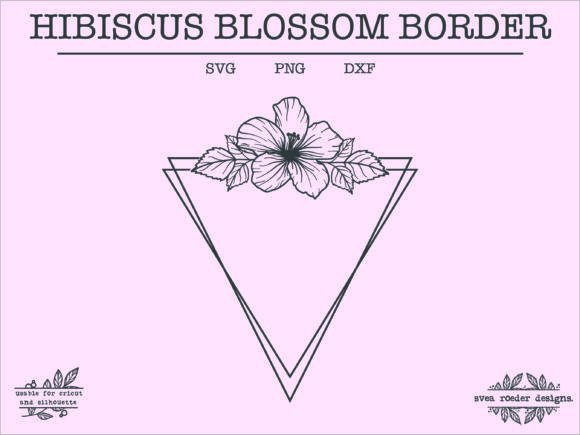
Hibiscus Wreath Lineart Svg Wildflower
A Designer’s First Look: Clean, Airy, and Quietly Confident
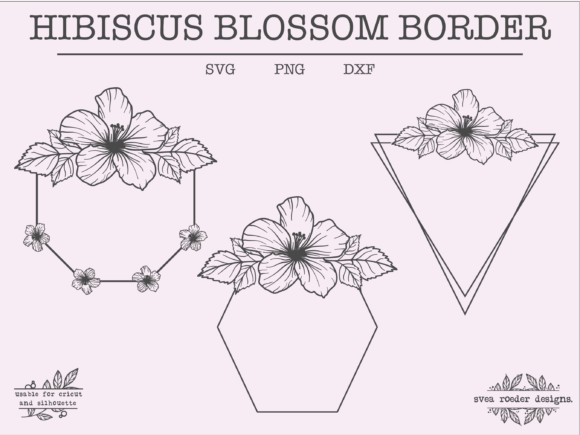
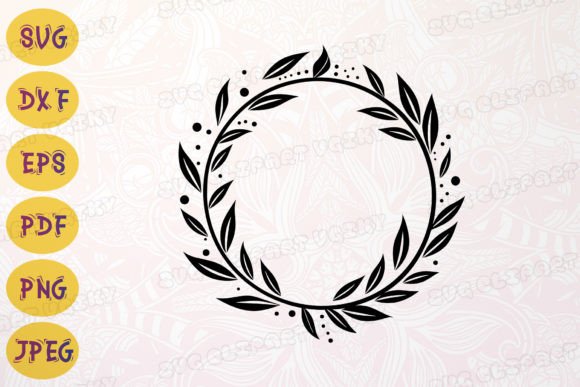
When I opened the Hibiscus Wreath Lineart Svg Wildflower, my first thought wasn’t “pretty”—it was “breathable.” That’s rare in floral line art. The wreath isn’t tightly packed or overly symmetrical; it leans slightly, with open negative space between stems and petals. It feels hand-drawn but precise—like something you’d sketch in a field notebook, then digitize without losing its quiet rhythm. As a designer who’s stitched hundreds of florals for client projects, I appreciate how this avoids visual clutter. It doesn’t shout. It invites closer looking—and that makes it ideal for products where subtlety reads as intention, not afterthought.
Real-World Test: Embroidering It on a Linen Tea Towel
Last week, I used the Hibiscus Wreath Lineart Svg Wildflower to embroider a set of kitchen towels for a local boutique. We chose natural linen—textured, loosely woven, and unforgiving of dense stitch areas. I ran a test on scrap first: light stabilizer, 40-weight cotton thread, medium-density running stitch for outlines only (no fills). The result? Crisp, graceful lines that followed the curve of each hibiscus petal without snagging or puckering. Customers loved how it looked both modern and timeless—neither too botanical nor too decorative. One even asked if it was custom-drawn for them. That’s the power of intentional line art: it feels personal, even when it’s a digital embroidery file.
Where This Design Shines (and Where It Needs Care)
The Hibiscus Wreath Lineart Svg Wildflower works beautifully on stable, medium-weight fabrics—think cotton poplin aprons, canvas tote bags, structured sweatshirt cuffs, or baby onesies made from Pima cotton. Its open layout means it breathes on knit fabrics too, as long as you use cutaway stabilizer and reduce stitch density in curved zones like the wreath’s outer arc.
- Great for: Personalized gifts (monogrammed pillow covers), boutique merchandise (embroidered cap fronts), holiday embroidery (wreath + “Joy” script combo), nursery decor (soft-toned hoop art), and Etsy seller listings where clean, scalable design assets stand out.
- Use carefully on: Thin or sheer fabrics (lines may show through), highly textured surfaces like bouclé or heavy terry cloth (detail can blur), dark fabric without high-contrast thread, and curved surfaces like baseball caps—where the topmost petal might distort unless resized proportionally.
Stitching Clarity ≠ Visual Simplicity
Don’t mistake minimal line art for low effort. A well-executed machine embroidery design like the Hibiscus Wreath Lineart Svg Wildflower relies on intelligent pathing and balanced stitch length. I checked the vector paths before converting: no overlapping anchors, consistent stroke weight, and smooth Bezier curves—not jagged approximations. That translates directly to cleaner satin stitch edges and fewer thread breaks during long runs. For applique design work, the outline is generous enough to accommodate a 1/8" seam allowance without losing shape. And because it’s SVG-based, scaling up for a large tote bag or down for a delicate baby bib stays crisp—no pixelation, no reworking.
What It Adds to Your Finished Product—Beyond Aesthetics
This isn’t just decoration. It quietly elevates perceived value. When customers see a finely stitched hibiscus wreath on a handmade product, they register care—not just craft, but curation. That builds trust, especially for Etsy sellers and small shop owners whose branding hinges on consistency and authenticity. I’ve seen this design boost engagement in printable mockups: buyers linger longer on listings where the embroidery preview looks intentional, not generic. It also pairs effortlessly with minimalist branding—no competing patterns, no clashing motifs. Whether you’re designing embroidered patches, custom apparel, or digital embroidery files for resale, the Hibiscus Wreath Lineart Svg Wildflower supports your voice instead of drowning it out.
Practical Notes Every Embroidery Designer Should Check
- Test the Hibiscus Wreath Lineart Svg Wildflower on scrap fabric matching your final project’s weight and stretch.
- Review thread color contrast—especially on dark or patterned backgrounds. Light ecru or soft sage often reads clearer than stark white.
- Confirm hoop size compatibility. Its circular composition fits comfortably in 4x4 hoops, but check whether larger versions scale cleanly for 5x7 or 6x10 applications.
- Inspect small details: the stamen tip, leaf vein endings, and inner wreath curve. These are where stitching fidelity matters most.
- Run black-and-white mockups. If it holds impact in monochrome, it’ll translate across fabric types and lighting conditions.
- Use appropriate stabilizer—tear-away for stable wovens, cutaway for knits or lightweight fabrics.
- Verify licensing terms before selling finished items or bundling the Hibiscus Wreath Lineart Svg Wildflower into digital product kits. Since it’s listed under Graphics and Crafts, confirm commercial use rights directly with the creator.
Final Thought: A Design That Serves the Maker First
As someone who reviews dozens of embroidery files each month, I don’t reach for the Hibiscus Wreath Lineart Svg Wildflower when I need flash. I reach for it when I need resonance—when the goal is to make a customer feel seen, not just sold to. It works as well on a child’s sunhat as it does on a wedding guest towel. It suits craft business owners building cohesive collections and hobbyists wanting one elegant motif that doesn’t demand perfection to look polished. In short: it’s not just a floral lineart SVG. It’s a reliable, thoughtful tool—one that reminds us that great embroidery design starts not with complexity, but with clarity, calm, and quiet confidence.