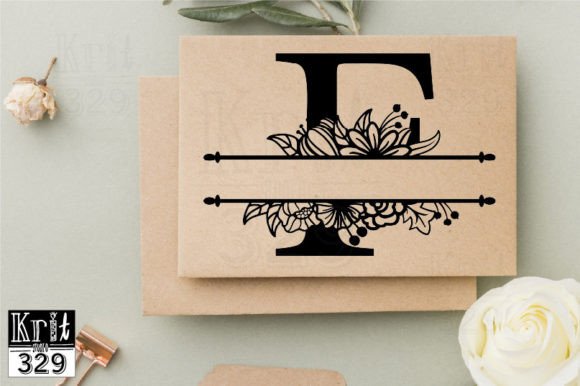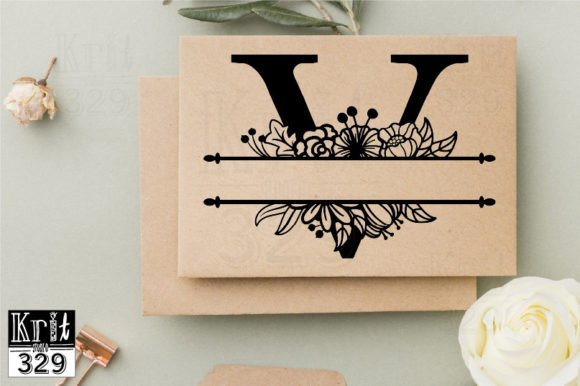
V Alphabet Floral Split Monogram
A Designer’s First Look: Delicate, Playful, and Purpose-Built for Personalization
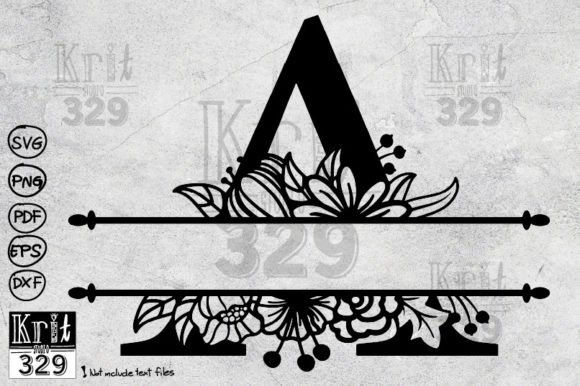
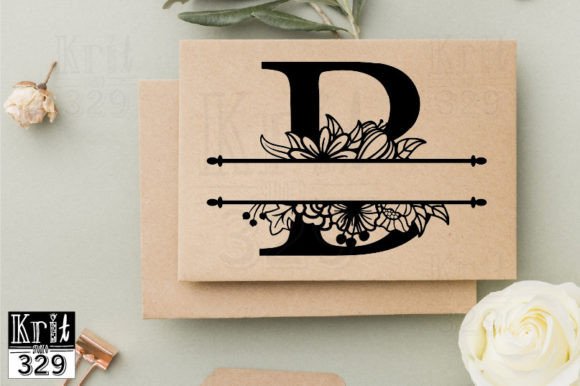
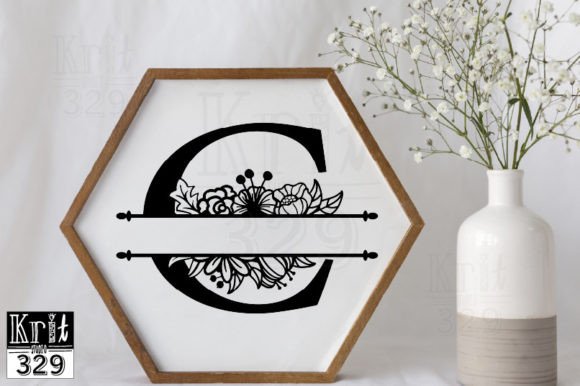
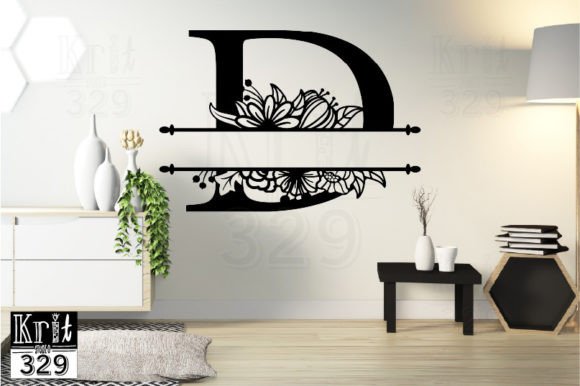
When I opened the V Alphabet Floral Split Monogram, my first thought wasn’t “cute” — it was “curated.” The V sits cleanly centered, but the floral elements don’t orbit it like ornaments. They *split* around it — one bloom drifting left, another curling right — giving the whole composition breathing room and gentle asymmetry. This isn’t a dense monogram meant to dominate a chest pocket; it’s a light-hearted, botanical signature designed for charm over authority. As someone who regularly selects embroidery files for client-facing products — think boutique baby onesies, linen tea towels, or custom aprons for local cafés — I immediately pictured it stitched in soft pastel thread on ivory cotton twill: subtle enough for daily wear, distinctive enough to feel intentional.
Where It Shines: Real Projects That Feel Like Gifts
Last week, I prepped a small batch of organic cotton tote bags for a plant-themed pop-up shop. We needed a focal point that whispered “botanical,” not shouted it. The V Alphabet Floral Split Monogram landed perfectly on the lower right corner — large enough to read at arm’s length, airy enough to avoid stiffness. Stitched with a mix of satin stitch for petals and fine running stitch for stems, it held up beautifully on the medium-weight fabric with tear-away stabilizer underneath. Customers didn’t just see a letter — they saw a gesture: personal, garden-fresh, quietly thoughtful. That same energy translates well to sweatshirt cuffs, pillow covers for nursery decor, or even as a single embroidered patch sewn onto denim jackets. For Etsy sellers offering personalized gifts, this design invites easy customization (swap the V for any initial) while keeping the floral motif cohesive and brand-appropriate.
What You’ll Notice After Stitching — Not Just Before
Real embroidery reveals what vector previews hide. With the V Alphabet Floral Split Monogram, the open negative space between the letter and florals becomes your ally — less thread density means less puckering on lightweight fabrics like rayon challis or gauzy cotton. But that also means corners and thin stem lines need attention: test those delicate flourishes on scrap fabric first, especially if you’re using textured weaves (like burlap or heavy linen) where stitch definition can blur. On dark fabric, opt for high-contrast thread — creamy white or sage green pops more reliably than pale yellow. And if you’re planning holiday embroidery (think velvet stockings or felt ornaments), confirm whether the file includes clean fill-stitch areas — some floral SVGs translate unevenly into machine embroidery without proper digitizing for stitch direction and underlay.
Where to Proceed Thoughtfully
This isn’t a one-size-fits-all monogram. Its elegance comes with quiet constraints. Avoid cramming it into hoops smaller than 4x4 inches — the split layout needs lateral space to land gracefully. On stretchy knits (like t-shirt jersey), use cutaway stabilizer and reduce top tension slightly to prevent distortion around the V’s vertical stroke. Curved surfaces — caps, beanies, curved pillow edges — will compress the left/right floral balance unless you adjust placement and possibly scale. And while it works beautifully on tea towels and kitchen linens, skip it for high-wear items like oven mitts or toddler bibs unless you reinforce stitching density in the stem anchors. For commercial embroidery, always verify licensing: the product description mentions SVG and PNG files, but commercial use rights for finished handmade products or digital resale must be confirmed directly with the source before listing on Etsy or bundling into craft business kits.
Design Integrity Meets Customer Trust
As a designer reviewing graphics for real-world application, I judge monograms not just by prettiness, but by how they hold up in the customer’s hands — literally. A poorly spaced floral monogram frays after three washes. One with overly tight fills buckles on soft cotton. The V Alphabet Floral Split Monogram avoids both pitfalls: its balanced proportions and moderate detail level suggest thoughtful digitizing intent. When stitched cleanly, it reads as professional, not DIY — a subtle boost to perceived value for small shop products. Buyers notice that difference. A personalized gift with this monogram feels considered, not templated. That builds trust, repeat orders, and word-of-mouth referrals — especially among plant lovers and mindful shoppers who appreciate craftsmanship over clutter.
Practical Notes Every Embroiderer Should Run Through
- Always test first: Stitch on scrap fabric matching your final project’s weight and stretch.
- Check contrast early: View black-and-white mockups to assess legibility on light vs. dark backgrounds.
- Review stitch density: Look for overlapping fill areas near the V’s base — excess density can cause stiffness or thread breakage.
- Confirm hoop compatibility: Measure the design’s widest span against your standard hoop size — don’t assume it fits a 3x3.
- Inspect fine details: Zoom in on petal tips and stem ends — are they sharp or pixelated? That affects satin stitch smoothness.
- Match stabilizer to fabric: Tear-away for stable wovens, cutaway for knits or loosely woven Crafts textiles.
- Verify usage rights: Since this is listed as a Graphics asset, double-check whether the license permits commercial embroidery of finished goods or resale of digital files.
Final Thought: A Quiet Anchor for Intentional Making
The V Alphabet Floral Split Monogram won’t shout from a crowded craft fair table — and that’s its strength. It’s the kind of design that earns a second look, then a smile, then a purchase. It suits makers who value clarity, botanical warmth, and quiet sophistication over trend-chasing volume. Whether you’re building a cohesive line of nursery decor, launching a small shop focused on slow-made apparel, or simply choosing a monogram that reflects your own love of growing things — this one lands with intention. Just remember: great embroidery starts before the needle moves. Test it. Touch the fabric. Hold the thread up to light. Then let the V — and its gentle floral split — do the rest.